Diesel Exhaust Fluid (DEF) is a non-toxic fluid used by many newer diesel engines to reduce harmful emissions. If your diesel truck or equipment is equipped with a Selective Catalytic Reduction (SCR) system, it likely requires DEF to operate properly. Many diesel owners first hear about DEF when a dashboard warning light appears or while fueling a newer truck. Fortunately, understanding what DEF does and whether your vehicle actually needs it is much simpler than it may seem.
What Is DEF Fluid?
DEF stands for Diesel Exhaust Fluid, a carefully formulated solution made of 32.5% high-purity urea and 67.5% deionized water. Despite the name, it is not a fuel additive, and it never mixes with diesel fuel. Instead, DEF is stored in its own dedicated tank and injected into the exhaust system after combustion.
Because it never enters the engine or fuel system, it does not improve fuel economy, lubricate engine components, or increase engine performance. Its purpose is strictly emissions control. Modern diesel vehicles that require DEF are designed to monitor fluid levels automatically, so drivers receive warnings when it’s time to refill the DEF tank.
What Does DEF Actually Do?
DEF helps modern diesel engines meet emissions standards by reducing nitrogen oxide (NOx) emissions, one of the pollutants produced during diesel combustion. When DEF is injected into the exhaust stream, it works with the vehicle’s SCR system to convert NOx into harmless nitrogen and water vapor before those gases leave the tailpipe.
The important thing for most owners to remember is that DEF works after combustion, not inside the engine itself. It supports the emissions system without changing how the engine burns diesel fuel.
Do I Need DEF?
Not every diesel engine uses DEF. Whether you need it depends primarily on the age of your vehicle or equipment and whether it was built with an SCR emissions system.
In general, DEF is commonly required for diesel pickup trucks built with SCR (generally 2011 and newer), heavy-duty commercial trucks, and newer farm tractors. Most gasoline vehicles and diesel engines built before 2010 don’t need DEF. If you’re unsure whether your truck or equipment uses DEF, your owner’s manual is the best place to start.
What Happens If You Run Out of DEF?
Modern diesel vehicles are designed to warn drivers well before the DEF tank becomes empty. You’ll typically receive multiple dashboard alerts as the fluid level drops. If DEF is not refilled, most vehicles will eventually limit engine performance or restrict vehicle speed. Some systems may prevent the engine from restarting after it has been shut off until DEF is added.
While running out of DEF generally does not damage the engine itself, it can prevent the vehicle from operating normally until the tank is refilled. That’s why it’s best to treat DEF like any other routine maintenance item rather than waiting until the tank is completely empty.
Does DEF Go Bad?
DEF has a limited shelf life, and storage temperature plays a major role in how long it remains usable. When stored around 75°F (24°C), DEF typically has a shelf life of about one year. Higher temperatures can shorten that lifespan, while cooler storage conditions generally extend it. For fleets, farms, and contractors storing larger quantities, proper storage helps maintain DEF quality and reduce waste.
Where Can You Buy DEF?
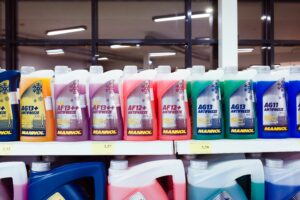
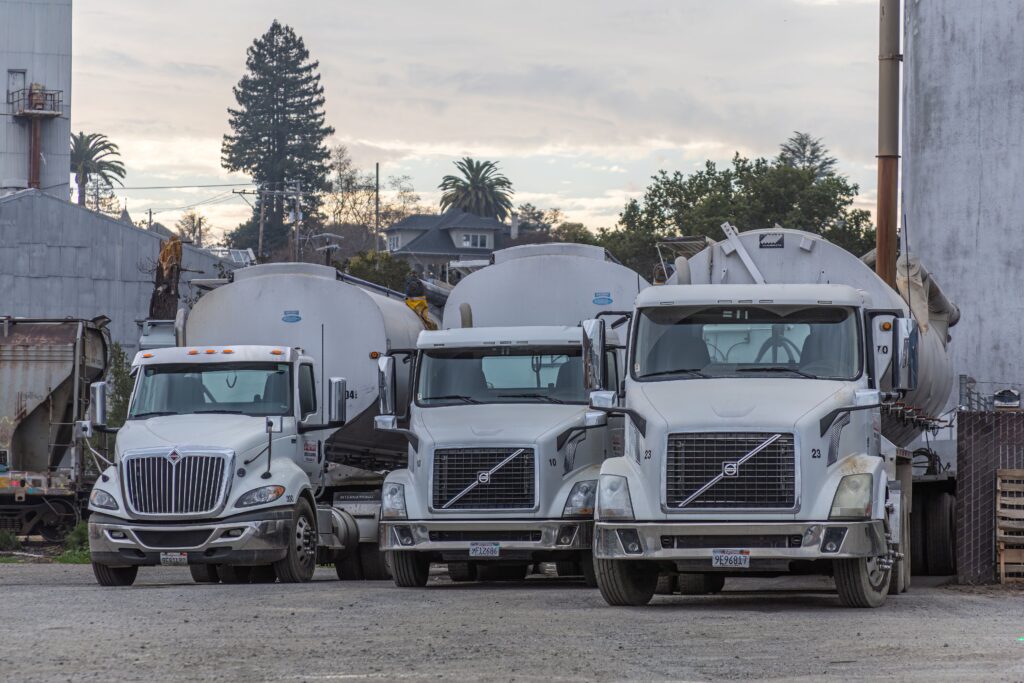
DEF is widely available in several package sizes depending on how much your operation uses. Individual vehicle owners often purchase DEF in small containers from automotive retailers, truck stops, or farm supply stores. Larger operations may choose drums, totes, or bulk delivery to simplify inventory management and reduce refill frequency. For businesses operating fleets, construction equipment, or agricultural machinery, bulk DEF delivery can make it easier to keep equipment supplied throughout the year.
Common DEF Mistakes to Avoid
DEF is simple to use, but a few common mistakes can create unnecessary problems. Here is what to avoid:
- Never put DEF into the diesel fuel tank. DEF belongs only in its dedicated storage tank, and introducing it into the fuel system can cause significant damage.
- Keep DEF containers clean and tightly sealed. Dirt, debris, or other contaminants can affect DEF quality and potentially create problems within the SCR system.
- Don’t ignore DEF warning lights. Modern vehicles provide advance notice before fluid levels become critical, giving operators plenty of time to refill the tank during normal maintenance.
For many diesel owners, DEF is simply another routine fluid that helps modern engines meet emissions standards. If your vehicle or equipment needs it, keeping quality DEF on hand helps ensure your equipment continues operating as designed.
Partner with Bellman!
Bellman Oil supplies DEF for farms, fleets, contractors, and businesses across Northern Indiana and Southwest Michigan. Our team can help keep your equipment running with bulk-delivered fuel and industrial liquids. Contact us today to learn more.