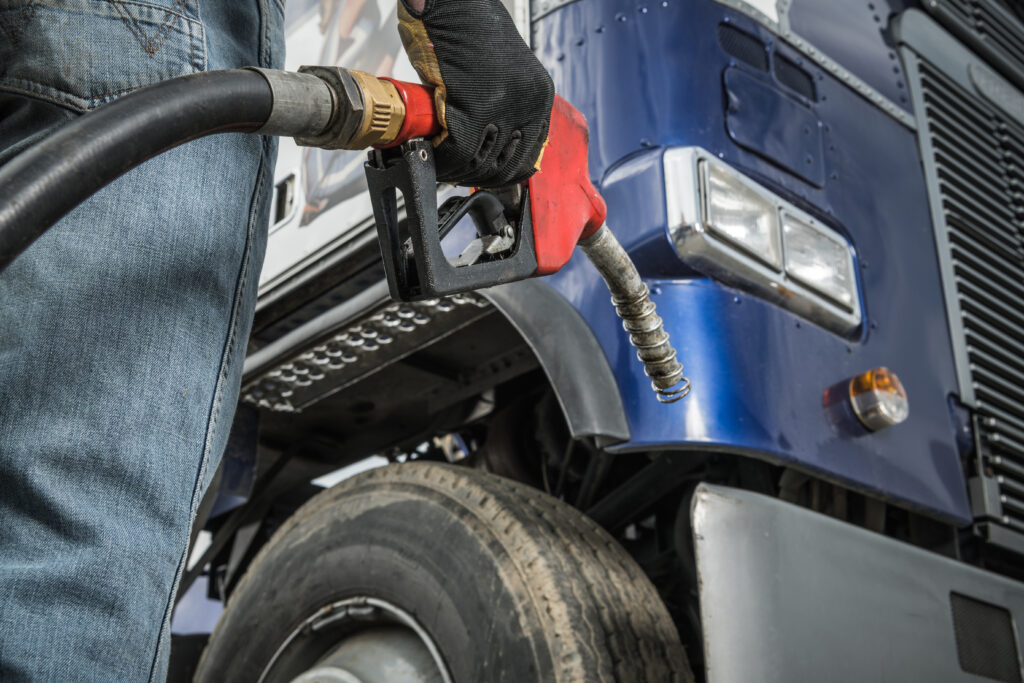
Running a mixed-use fleet comes with a unique set of fuel decisions. A single operation may rely on diesel trucks for long hauls, gasoline-powered pickups for daily service calls, off-road equipment for job sites, and standby generators for emergency power. Each engine type has unique fuel and maintenance requirements, and the right fueling strategy can ensure all engines and motors are ready when you need them. For fleet managers, farmers, and industrial operators, the goal is to avoid overcomplicating fuel purchasing. With the right approach, you can simplify fuel storage, prevent avoidable problems, and keep your operation moving.
Start With a Clear Fleet Inventory
The first step is understanding what you are fueling. Start by listing:
- Gasoline vehicles and small engines
- Diesel trucks and heavy equipment
- Off-road or seasonal machines
- Backup generators and emergency equipment
- Any specialty applications, such as reefer units or hydraulic power systems
Once you know what is on your site, you can build a fuel plan that matches real usage patterns.
Know the Difference Between Gasoline and Diesel Requirements
Gasoline and diesel fuels behave differently, and the engines that use them are designed around those differences.
Gasoline engines rely on spark ignition, and fuel performance is influenced by octane rating. Alternatively, diesel engines use compression ignition, and fuel performance is influenced by the cetane rating and cold-weather behavior. Even though these fuels may sit in similar tanks or be delivered by the same supplier, they should be treated as separate categories with different risks and priorities.
Mixed-use fleets often run into trouble when a single fuel strategy is applied across the board, even though equipment needs vary.
Choose Fuel Based on Equipment Duty Cycle
One of the biggest factors in fuel selection is how hard the equipment works and how often it runs.
For example, a daily-use diesel truck pulling loads across the region will have different needs than a backup generator that may sit unused for months. Ask these questions for each group of equipment:
- Is it used every day or only seasonally?
- Does it run for long stretches or short bursts?
- Is it under heavy load most of the time?
- Does it sit with fuel stored for long periods?
The longer the fuel sits, the more important storage quality and maintenance become. The more equipment is under load, the more important consistent fuel performance becomes.
Pay Attention to Fuel Storage Conditions
Fuel storage is one of the most overlooked parts of fleet reliability. Even high-quality fuel can develop problems if it is stored improperly. Common storage-related issues include water contamination, sediment and sludge buildup, and stability issues.
For fleets in Northern Indiana and Southwest Michigan, seasonal temperature swings can increase condensation inside tanks, especially in partially filled tanks. Studies show that water contamination in diesel and biodiesel tanks can create microbial films on the fuel and cause corrosion. If your operation stores fuel on site, your fuel choice should include a plan for maintaining fuel quality, not just buying the lowest-priced option.
Match Diesel Fuel Strategy to Your Operation
Diesel is the backbone of many commercial fleets, but not all diesel use looks the same. Your strategy should account for both performance demands and storage realities.
For high-use diesel trucks and equipment, priorities may include reliable ignition, consistent performance under load, and cold-weather operability. For low-use or seasonal diesel equipment, fuel stability, antimicrobial properties, and fuel tank cleanliness will be priorities.
If your operation has both high-use and low-use diesel assets, it may be worth discussing storage practices and additive strategies with your fuel supplier to prevent downtime during critical seasons.
Match Gasoline Fuel Strategy to Vehicle Needs
Gasoline-powered fleet vehicles often include pickups, service vans, and smaller load-bearing equipment. The key is choosing the right octane rating based on manufacturer requirements.
Higher octane fuel is not automatically better for every engine. If your vehicles are designed for regular fuel, using premium may not improve performance or fuel economy. It simply increases cost without a clear return. However, some fleet vehicles may require higher octane, especially if they use turbocharged engines or are designed for higher compression. The best practice is to follow OEM recommendations and standardize gasoline grades when possible.
If your operation uses gasoline for both vehicles and small engines, storage management still matters. Fuel that sits too long can degrade, especially in seasonal equipment.
Do Not Ignore Cold Weather Planning
In the Midwest, fuel performance in winter can make or break a schedule. Cold temperatures can affect diesel fuel flow and starting reliability, and they can expose weaknesses in storage systems.
Cold weather planning may include using winter-grade diesel, monitoring tanks for condensation buildup before freezing temperatures hit, and ensuring equipment is ready for cold, snowy weather. This is especially important for mixed-use fleets where some equipment runs daily while other equipment sits idle until it is urgently needed. Backup generators are a perfect example. They may not be used often, but when they are needed, they must start immediately.
Use Fuel Testing and Maintenance as a Decision Tool
Fuel choices should not be based on guesswork. Testing and routine maintenance can help you make smarter decisions and catch problems early.
For diesel storage tanks, testing can help identify water contamination, microbial growth, and overall fuel condition. When issues are caught early, solutions are simpler. When problems are ignored, fleets may face clogged filters, injector damage, and equipment downtime that disrupts schedules and increases repair costs.
The Right Fuel Choice Protects Uptime
Choosing fuel for a mixed-use fleet is about more than selecting gasoline or diesel. It is about matching fuel quality and storage practices to your equipment’s real demands. When fleets choose fuel based on duty cycle, storage conditions, and seasonal performance, they reduce downtime and protect long-term engine health.
Whether you manage trucks, farm equipment, industrial machinery, or backup generators, the right fuel plan helps keep your operation reliable and efficient.
Need help building a fuel strategy for your mixed-use fleet? Bellman Oil can help you choose the right fuel options and support your operation with dependable service across Northern Indiana and Southwest Michigan. Contact our team today to learn more.