Fuel is one of the most important factors in any commercial operation, but it is often treated as a simple commodity. For farmers, trucking companies, and industrial businesses, fuel storage is not just about having enough on hand. It is also about keeping that fuel clean, stable, and ready to perform when equipment needs it. However, temperature swings, moisture, tank condition, and turnover rate can all affect fuel quality. When storage conditions are not managed properly, fuel can degrade faster, leading to clogged filters, hard starts, reduced efficiency, and expensive downtime.
Fuel Shelf Life Is Not the Same for Every Operation
Fuel shelf life depends on the type of fuel and how it is stored. In general, fuel needs to be stored under particular conditions to ensure longevity. Partially filled tanks, systems exposed to moisture, or tanks with fluctuating temperatures can negatively affect fuel longevity.
For commercial users, the biggest factor is often fuel turnover. Fuel that is used and replenished regularly is less likely to develop serious contamination issues. Fuel that sits for months at a time, such as seasonal farm diesel or standby generator fuel, requires more attention. Even when fuel is delivered clean, storage conditions can slowly introduce problems that reduce performance over time.
Temperature Swings and Water Contamination
One of the most common fuel storage problems is water. Water can enter a fuel tank through damaged seals, venting issues, or delivery problems, but it can also form naturally through condensation.
When temperatures rise and fall, the air inside the tank expands and contracts. That movement pulls in moisture, and over time, it can condense into liquid water inside the tank. A study by the EPA found that more than 40% of underground diesel storage tanks showed corrosion from water contamination, affecting both fuel storage and groundwater quality. This is especially common in regions like Northern Indiana and Southwest Michigan, where the weather changes quickly from season to season. Water contamination is one of the fastest ways to shorten fuel shelf life and create performance problems across multiple pieces of equipment.
Diesel Fuel and Microbial Growth
Diesel storage tanks are particularly sensitive to contamination because diesel can support microbial growth when water is present. Microbes live at the boundary between water and fuel, and as they multiply, they produce sludge and acids that can damage storage systems.
This issue is often referred to as “diesel bug,” and it can show up as slimy buildup, cloudy fuel, or rough engine performance. Once microbial contamination becomes established, it does not simply go away on its own. It often requires treatment, filtration, and in some cases fuel polishing or tank cleaning to fully resolve the problem. These tasks can be time-consuming and expensive.
Tank Material and Condition
The condition of your storage tank plays a major role in fuel performance. Over time, tanks can develop rust, sediment, and internal buildup. Even small amounts of debris can settle at the bottom and eventually get stirred into the fuel supply.
Common tank-related issues include
- Rust particles are contaminating the fuel
- Sediment buildup over years of storage
- Sludge collects at the bottom of the tank
- Corrosion is weakening tank walls and fittings
Older tanks are especially prone to these issues, but even newer tanks can develop contamination if water management and filtration are not addressed. Regular inspections and preventative maintenance help prevent minor tank problems from becoming major fuel quality issues.
Fuel Turnover Affects Stability and Performance
Fuel that sits too long is more likely to degrade. While gasoline and diesel have different stability characteristics, both are impacted by storage time.
When fuel turnover is low, operators may experience reduced combustion quality, hard starts in cold weather, and increased smoke. For many commercial trucking operations, low turnover happens naturally. Farm equipment may sit between seasons. Backup generators may only run during tests or emergencies. Some industrial tanks are used as a contingency supply.
In these cases, the best strategy is to plan ahead by testing fuel quality and proactively managing storage conditions.
Storage Tank Fill Level
Partially filled tanks have more air space, which means more moisture can enter and condense over time. Keeping tanks at an appropriate fill level can reduce condensation risk, especially during seasons with high humidity and rapid temperature changes. While it is not always practical to keep tanks full at all times, it is helpful to understand that low fuel levels can increase exposure to moisture and accelerate contamination problems.
Filtration and Dispensing Practices
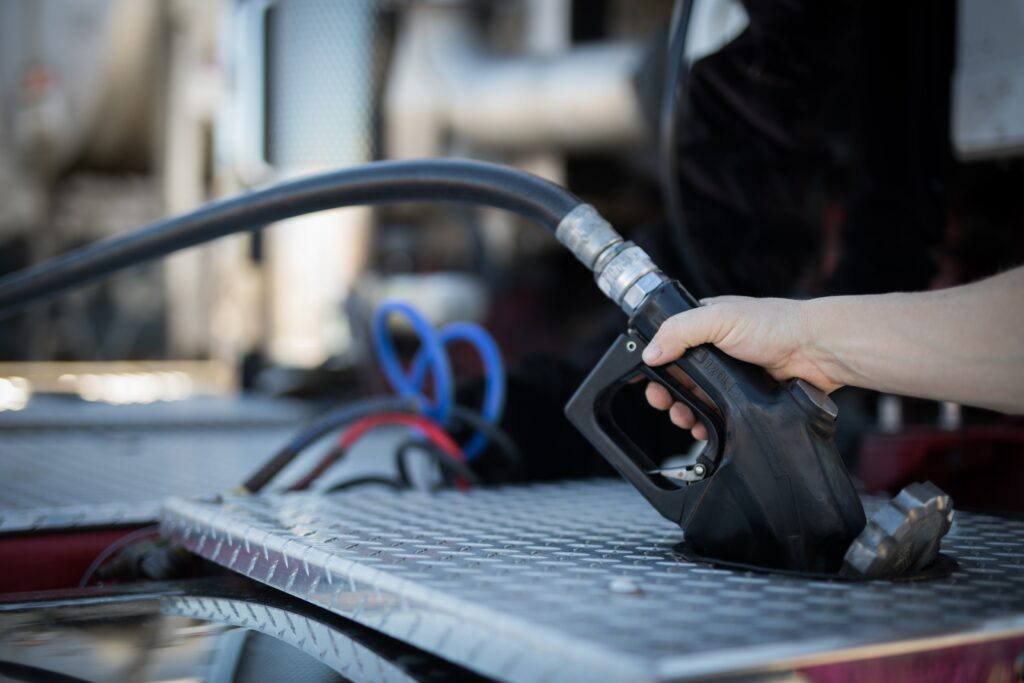
Even if fuel is stored properly, it can still become contaminated during dispensing. Dirty transfer hoses, poor filtration, and lack of maintenance on dispensing equipment can introduce debris into fuel systems.
For commercial operators, basic best practices include:
- Using proper filtration at the pump
- Maintaining clean nozzles and hoses
- Replacing filters on a routine schedule
- Keeping fill ports sealed and protected
Clean fuel delivery at the point of use is critical, especially for modern diesel engines that rely on tight tolerances in injectors and fuel systems.
Practical Steps to Protect Fuel Shelf Life
Commercial fuel storage does not have to be complicated, but it does need to be intentional and regular. A few proactive steps can extend shelf life and reduce performance problems.
Helpful strategies include:
- Monitoring tanks for water buildup
- Keeping tanks sealed and in good condition
- Using proper filtration during dispensing
- Scheduling periodic tank inspections
- Testing fuel quality when fuel turnover is low
- Addressing contamination early before it spreads through equipment
In some cases, services such as fuel polishing or tank cleaning may be recommended when contamination has already developed. Still, the best approach is to prevent such issues in the first place.
Better Storage Leads to Better Performance
Fuel storage conditions directly affect how well your equipment runs, how long your fuel remains usable, and ultimately your operation’s profitability. Water contamination, microbial growth, tank condition, and fuel turnover all play a role in shelf life and performance. When these factors are managed properly, commercial operators reduce downtime, protect engines, and get more value out of every gallon stored on site. If your operation depends on reliable fuel, it is worth taking the time to evaluate storage conditions and address issues early.
Need help improving fuel reliability for your farm, fleet, or facility? Bellman Oil can help you protect fuel quality with expert support and dependable service across Northern Indiana and Southwest Michigan. Contact our team today to learn more.